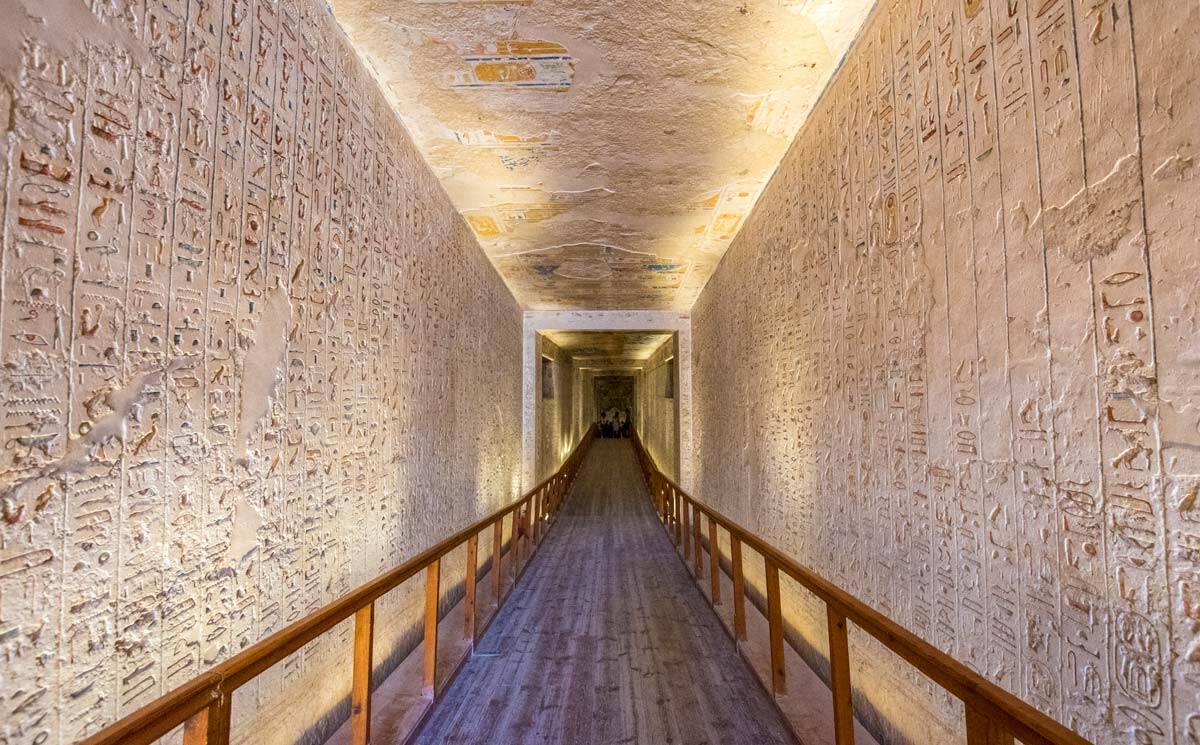
- Structure: KV 24
- Location: Valley of the Kings, West Valley, Thebes West Bank, Thebes
- Owner: Unknown
- Other designations: 2 [Belzoni], WV 24
- Site type: Tomb
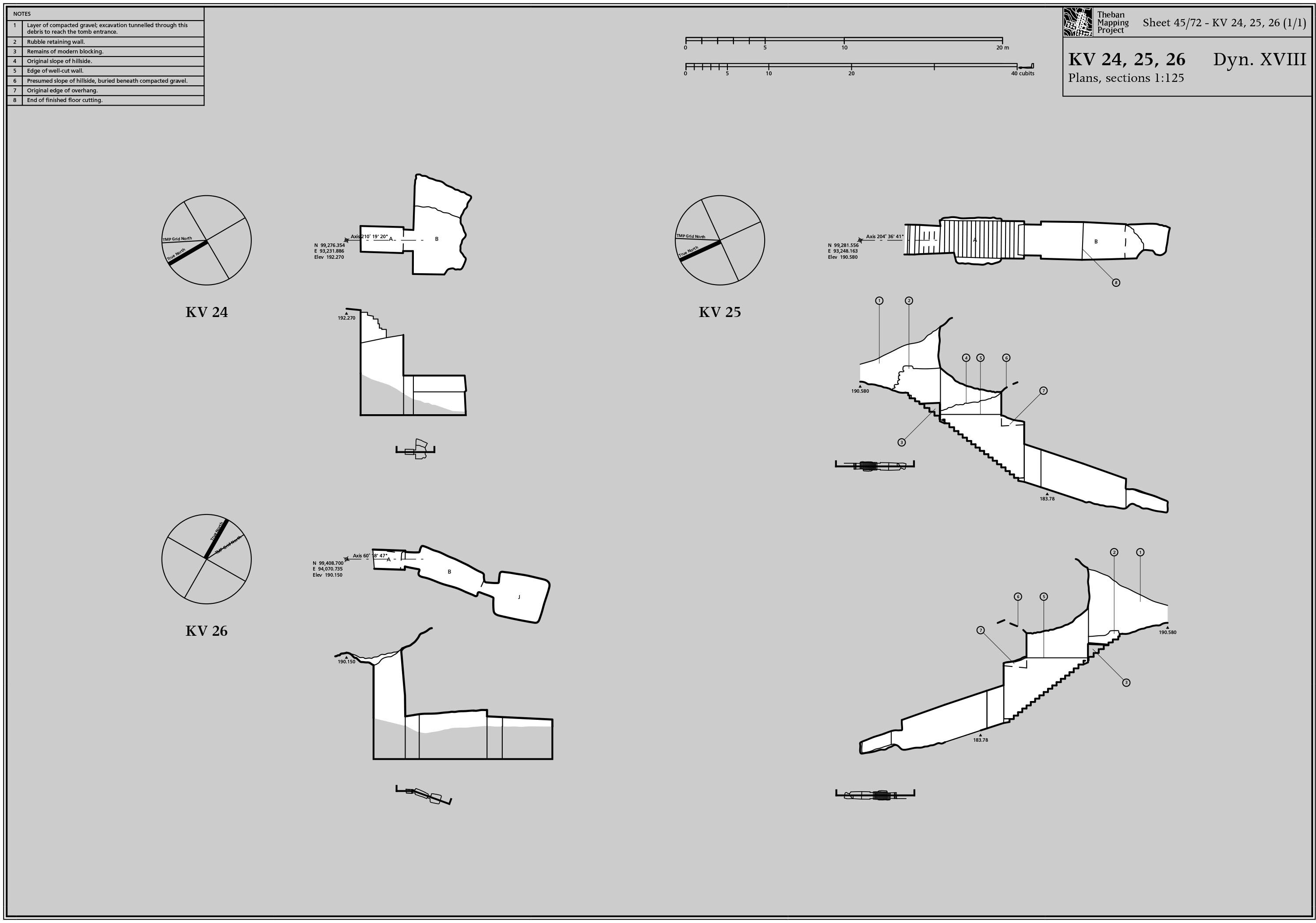
Description: The tomb lies at the end of the West Valley, a short distance from KV 25. It is a tomb of non-royal design and consists of a deep rectangular shaft (A) and a very rough rectangular chamber (B). The tomb was cut into the floor of the wadi at the base of a slope. The first part of the shaft cut through the hard-packed surface of the valley floor; the rest and the chamber were cut in the underlying rock.
Noteworthy features: This tomb is unfinished and non-royal.
Axis in degrees: 210.32
Axis orientation: Southwest
- Latitude: 25.44 N
- Longitude: 32.36 E
- Elevation: 192.27 msl
- North: 99,276.354
- East: 93,231.886
- JOG map reference: NG 36-10
- Modern governorate: Qena (Qina)
- Ancient nome: 4th Upper Egypt
- Surveyed by TMP: Yes
- Maximum height: 2.5 m
- Minimum width: 1.35 m
- Maximum width: 5.63 m
- Total length: 6.42 m
- Total area: 23.36 m²
- Total volume: 47.37 m³
- Entrance location: Base of a sloping hill
- Owner type: Unknown, probably non-royal
- Entrance Type: Shaft
- Interior layout: Chamber
- Axis type: Straight
- Carpenters’ and sculptors’ tools
- Cordage
- Human remains
- Mammal remains
- Mummy trappings
- Tomb equipment
- Vessels
Evidence for a royal burial in this tomb is lacking. Artifacts and the tomb’s location indicate that it was cut in Dynasty 18. The presence of artifacts from this period through the late Roman and Coptic periods indicates that the tomb was reused a number of times. Intrusive burials (human remains of at least five different persons) from Dynasty 22 were found. The tomb was visited repeatedly in ancient and modern times, as shown by a disruption in the stratigraphic layering of flood debris and by discarded objects.
New Kingdom, Dynasty 18 (perhaps dating to the end of the dynasty)
Graeco-Roman Era, Roman Period
Byzantine Period
Third Intermediate Period, Dynasty 22
- Wilkinson, John Gardner (1825-1828): Mapping/planning
- Hay, Robert (1825-1835): Mapping/planning
- Cerný, Jaroslav (1971): Mapping/planning
- Sadek, A. A. (1971): Mapping/planning
- Schaden, Otto J. (1991-1992): Excavation