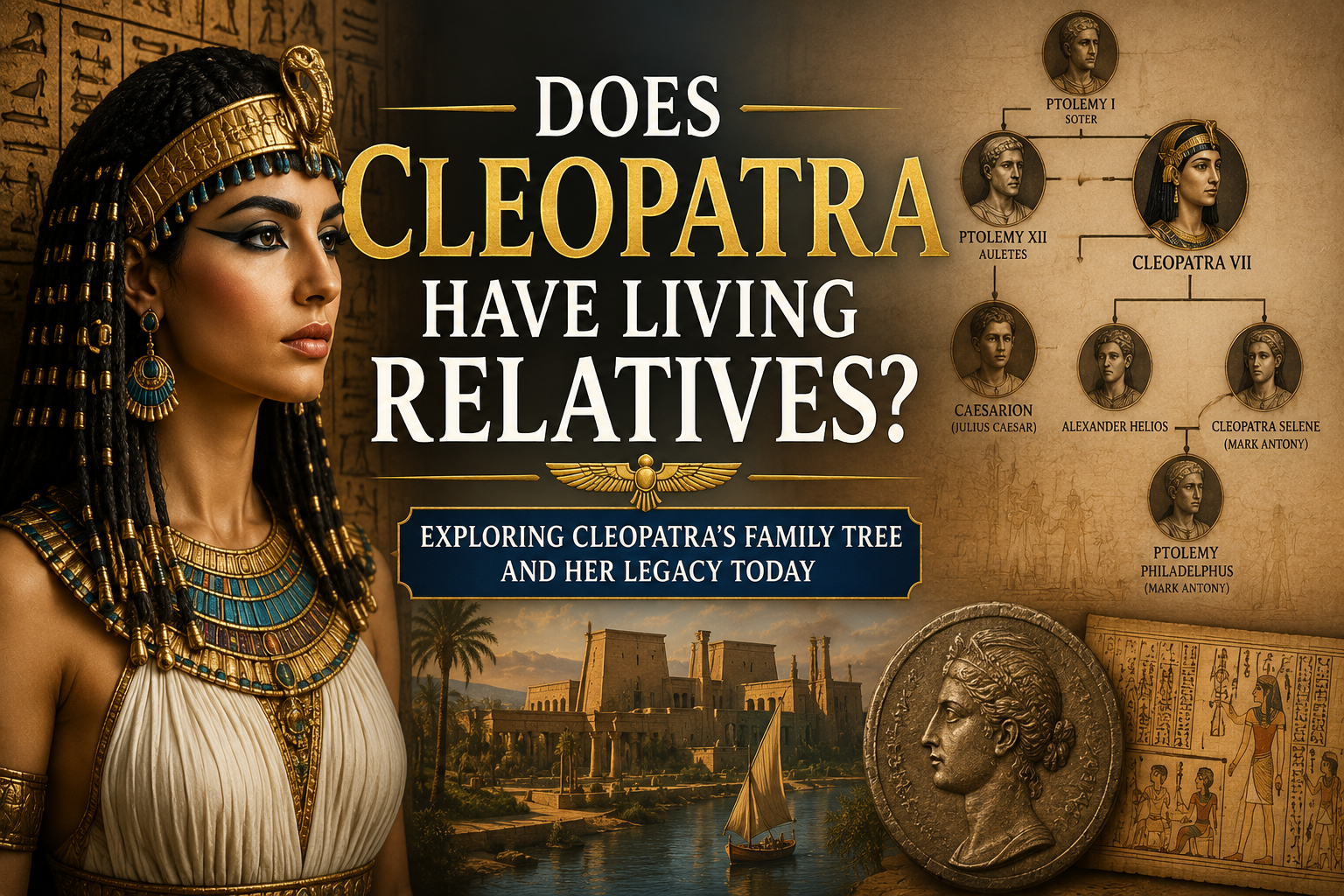
Does Cleopatra, the Queen of Egypt, have any living descendants? Well, it is possible. And I suspect that with modern-day DNA testing, we’ll find a few of her living relatives, but not in the way you think. First, we need to examine her family tree to see how it all plays out.
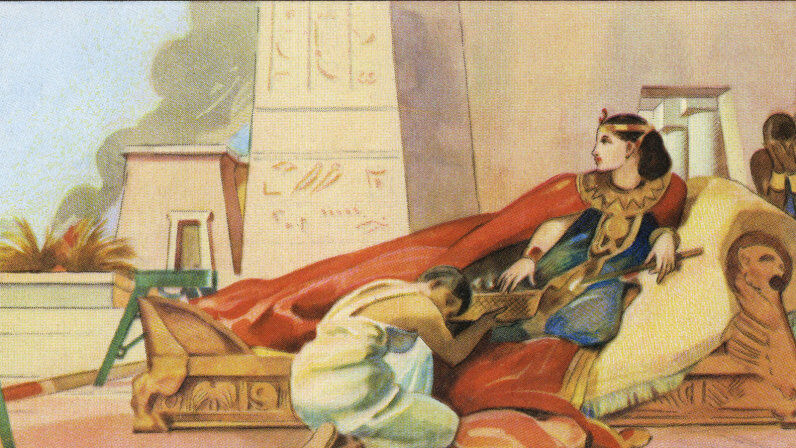
Cleopatra VII Philopator was born in 69 (or 70) BC in Egypt and died on August 12, 30 BC, either just before or near her 40th birthday.
Cleopatra was a daughter of Ptolemy XII Auletes, a descendant of Ptolemy I Soter, one of Alexander the Great’s generals and the founder of the Ptolemaic line in Egypt. Her mother was believed to be Cleopatra V Tryphaena, the king’s wife, and quite possibly his half-sister.
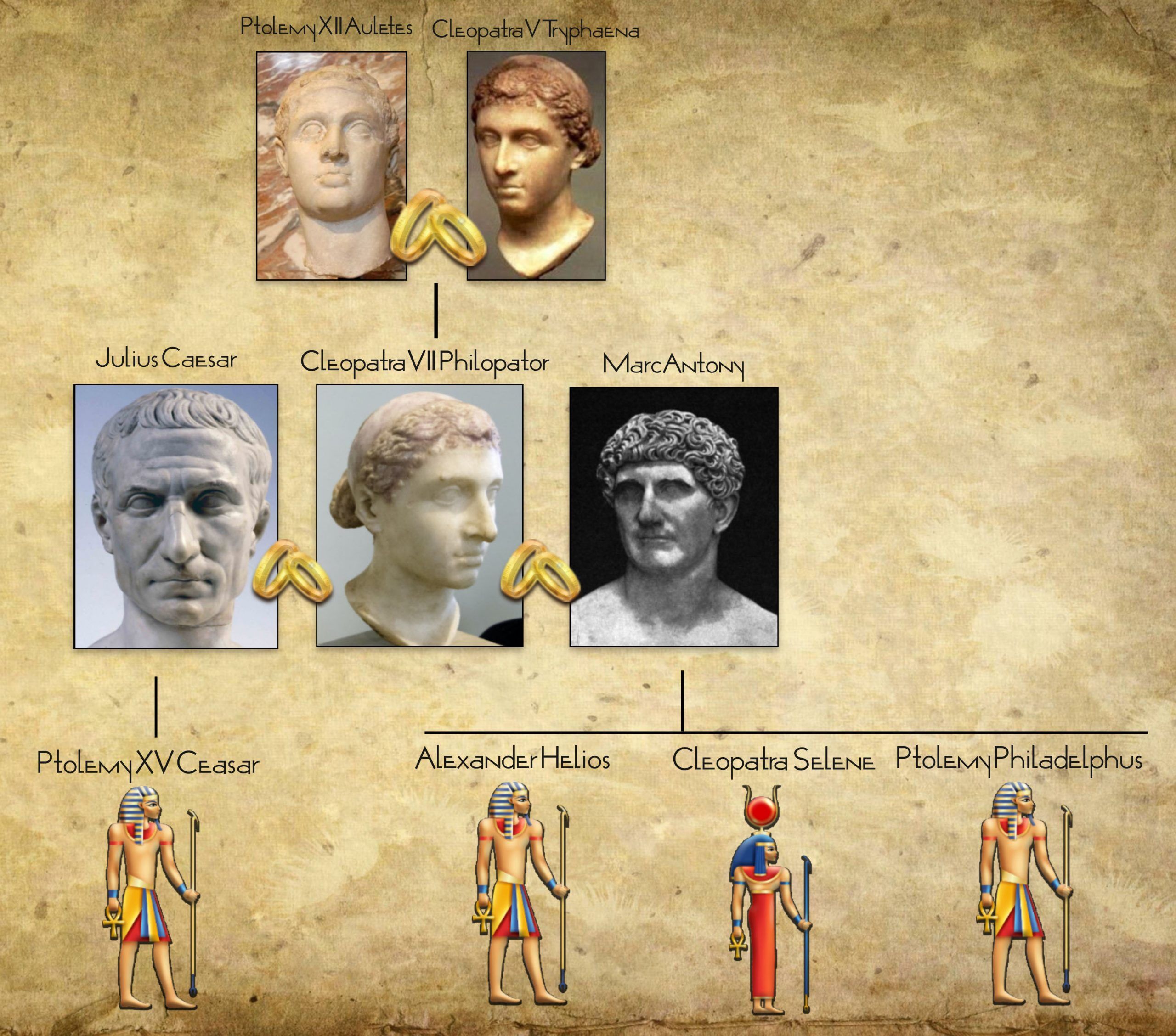
Like many royal houses, members of the Ptolemaic dynasty often married within the family to preserve the purity of their bloodline. In keeping with this custom, Cleopatra eventually married both of her adolescent brothers, each of whom served as her ceremonial spouse and co-regent at different times during her reign. So had no offspring with her sibling spouses, but during her lifetime had a total of four children- one with Julius Caesar and three with Marc Antony.
This means Cleopatra had 4 marriages. Cleopatra was married to her brother and co-ruler, Ptolemy XIII, who was 10 years old at the time (she was 18). After his death, Cleopatra married his younger brother Ptolemy XIV. She was 22, and he was 12. It was during this time that Cleopatra was “hooking up” with Julius Caesar privately.
Sometime after she married Ptolemy XIV, she married Julius Caesar in an Egyptian religious ceremony. Although at the time he was officially married to Calpurnia in a traditional Roman marriage (his third Roman wife). However, to Cleopatra, her Egyptian spiritual marriage to Julius Caeser was real. After his death, on March 15, 44 BC, she moved on to Marc Antony, about 3 years later, in 41BC. Although she was with Marc Antony for years, they didn’t officially get married until 32 BC. She was married to Marc Antony until her death two years later.
Her eldest son was born on June 23rd in 47 BC. She called him Caesarion, after his father, Julius Caesar. Caesarion meant “little Caesar”. Despite the cute nickname, his official full name was Ptolemy XV Philopator Philometor Caesar. I have also seen it as Ptolemy XB Caesar Theos Philapator Philometor. Theos Philopator Philometor” means “the Father-loving Mother-loving God.:
Caesarion was officially the last king of the Ptolemaic dynasty of Egypt. Although just a child, he ruled alongside his mother from September 2, 44 BC, until his death. Caesarion was made co-regent when he was just three years old.
People often claim that Cleopatra was the last pharaoh of Egypt, but that’s not true – at least not technically. Cleopatra died on August 12th in 30 BC, but Caesarion, who was co-ruler of Egypt, died just 11 days later on August 23rd. Caesarion was just 17 years old at the time of his death.
After Cleopatra and Mark Antony lost the Battle of Actium in 31 BC, Cleopatra knew things weren’t going to go well for her beloved son, so she sent him to India with a large amount of treasure. But he was lured back home by false promises, Octavian saying he could rule Egypt. That was a lie, and as soon as he returned, Octavian killed (or had him killed).
Caesarion was the best known of Cleopatra’s children. But he wasn’t her only offspring.
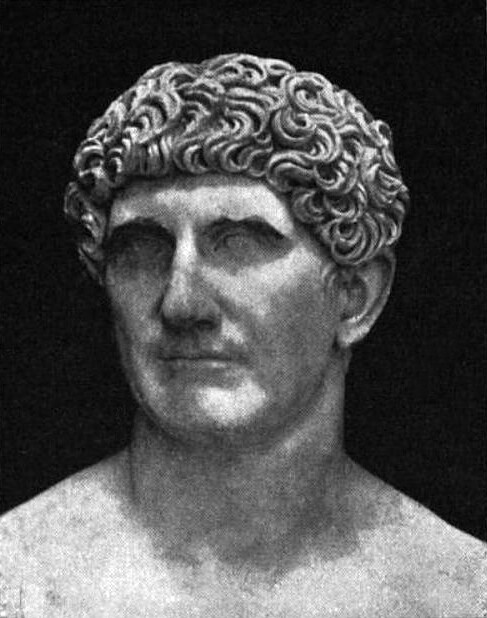
After Julius Caesar died, Cleopatra eventually began a relationship with Marcus Antonius, who is better known to most as Marc Antony. Together, they had three children. Their first two children were twins, Alexander Helios and Cleopatra Selene. Helios is Greek for Sun, and Selene means the moon. The twins were born in the year 40 BC, making them only about 10 years old when their parents died.
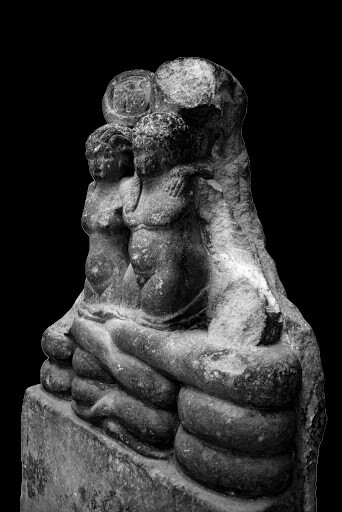
This is a 5-foot-tall statue of the twins. It’s currently located in the Cairo Museum. The sandstone statue was discovered near the temple of Hathor in Dendera on the west bank of the Nile in 1918. The statue is of two nude children, one male and one female, who bear the attributes of the sun and the moon, respectively. They have an arm over each other’s shoulders while they hold a serpent in their other hands. The coils of two snakes wind around their legs and the base of the statue.
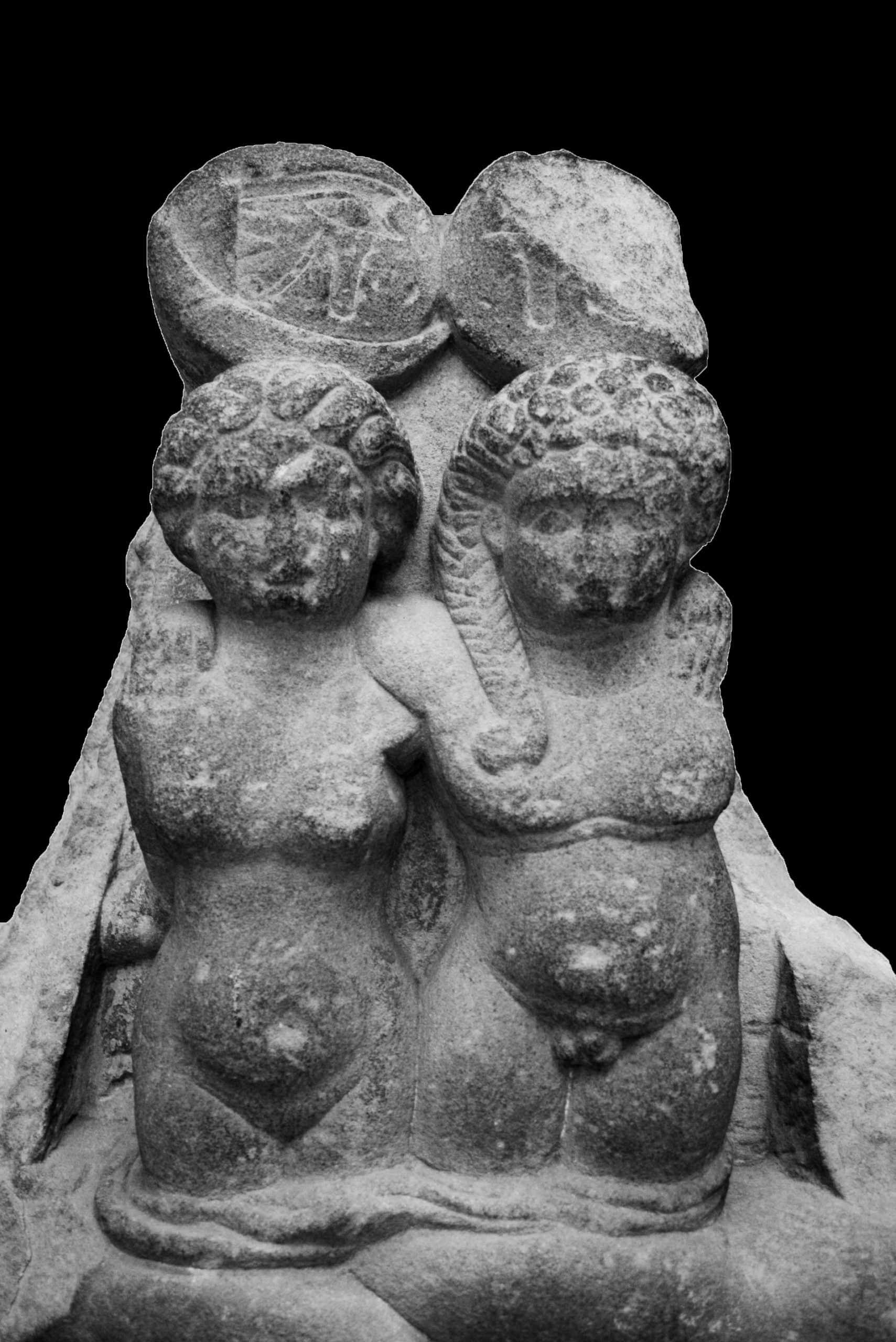
After the twins, Cleopatra gave birth to her fourth and final child (her 3rd with Marc Antony). Her youngest child was a son whom she named Ptolemy Philadelphus. He was born in either August or September of 36 BC, meaning he was only 6 years old when his mother died.
After Cleopatra and Marc Antony’s death, all three of Marc Antony’s children with Cleopatra went to live with Octavia Minor, Octavian’s elder sister, and the former wife of Marc Antony. All reports show she truly cared for them and educated them with her own children.
Cleopatra Selene was married off to King Juba II of Numidia in about 20 BC. Numidia is an ancient kingdom that became a Roman province. Numidia was located in what is now Algeria in Northern Africa.
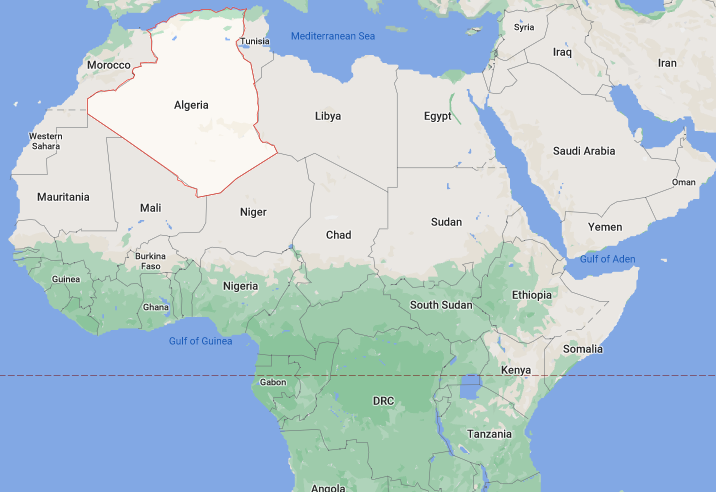
Although Juba II ruled in North Africa, he was heavily influenced by Roman culture because he had been raised in Rome after his father’s defeat. As a Roman client king, he adopted many Roman customs and maintained close ties with the empire.

After Cleopatra’s daughter got married, there was no further mention of her brothers, Alexander Helios or Ptolemy Philadelphus. Many historians believe that it is because they died. Nobody is quite sure when or how.
Because Alexander Helios and Ptolemy Philadelphus disappear from the historical record at a young age and are not known to have had children, historians generally believe that any surviving descendants of Cleopatra would most likely have come through her daughter Cleopatra Selene.
Cleopatra Selene had a great influence on Mauretania’s government decisions, especially regarding trade and construction projects. During their reign, the country became extremely wealthy. The couple had a son and successor, Ptolemy of Mauretania. Through their granddaughter Drusilla, the Ptolemaic line intermarried with Roman nobility for many generations.
We know that Cleopatra Selene and King Juba II of Numidia (later Mauretania, a Roman client kingdom) had at least one son, whom they named Ptolemy. Ptolemy of Mauretania would go on to be the last Roman client king and ruler of Mauretania. It is thought that he was born in 5 AD and began co-ruling with his father, King Juba II, in 20 AD.
Ptolemy of Mauretania was executed while visiting Rome in 40 AD.
Most historians believe that Ptolemy of Mauretania had a daughter named Drusilla, who may have become queen of Emesa, although some aspects of her genealogy remain debated.
She is known to historians at first as Drusilla of Mauretania the Younger. She was born in 38 AD. After her father was executed by Claudius, she was most likely sent to Rome to live with the Imperial Family.
Some historians have suggested that Cleopatra Selene and Juba II may also have had a daughter, sometimes called Drusilla of Mauretania the Elder. If she existed, she may have married into the Emesene royal house and could represent an important link between Cleopatra’s descendants in North Africa and the later rulers of Emesa. However, the evidence remains uncertain.
Around 53 AD, when Drusilla of Mauretania the Younger was just 15 years old, she married Marcus Antonius Felix, the Roman Governor of Judea. Ancient sources disagree on the circumstances of the marriage, although many believe the Roman emperor arranged it.
Just a year or two later, Felix would divorce Drusilla, as he fell in love with the Herodian princess Drusilla.
In 56 AD, Drusilla of Mauretania the Younger married her second husband, her distant relative, the Emesene Priest-King, Sohaemus, also known as Gaius Julius Sohaemus Philocaesar Philorhomaeus or Sohaemus of Emesa. Drusilla would then also become known as Drusilla of Emesa. It was through this marriage that she became the Roman Client Queen of the Emesani Kingdom and a queen consort to Sohaemus.
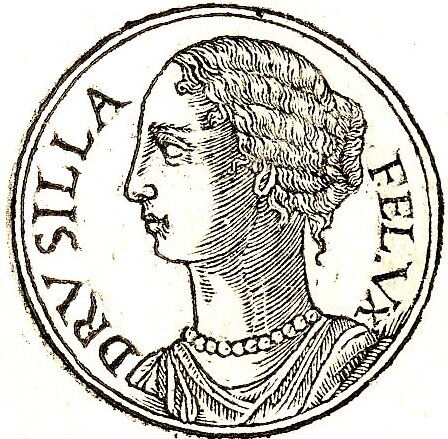
Drusilla and Sohaemus had a son named Gaius Julius Alexio, also known as Alexio II, who later succeeded his father as Emesene Priest-King.
Gaius Julius Alexio married Cladia Arrius Calpurnius Silo of Syriëan (50-110). They had a son called Gaius Julius Fabia Sampsiceramus III Silas. Yes, those Romans loved their long names!
When Alexio died in 78 AD, his son (Gaius Julius Fabia Sampsiceramus III Silas) ruled as Priest-King from 79 until his death in the year 120. He was also known as Gaius Julius Sampsiceramus, “from the Fabia tribe, son of Gaius Julius Alexion.”
After the death of Gaius Julius Fabia Sampsiceramus III Silas, the historical trail becomes much less clear. Unlike earlier generations, the later members of the royal house of Emesa are not well enough documented for historians to reconstruct a complete family tree with certainty.
What can be established with reasonable confidence is that Cleopatra’s lineage can be traced through the following individuals:
- Cleopatra VII Philopator (69-30 BC)
- Cleopatra Selene II, daughter of Cleopatra and Marc Antony, who married King Juba II of Numidia
- Ptolemy of Mauretania, son of Cleopatra Selene and Juba II
- Drusilla of Mauretania, daughter of Ptolemy and great-granddaughter of Cleopatra
- Gaius Julius Sohaemus of Emesa, whom Drusilla married
- Gaius Julius Alexio (died 78 AD), son of Drusilla and Sohaemus
- Gaius Julius Fabia Sampsiceramus III Silas (c. 55-120 AD), son of Alexio
This means that Gaius Julius Alexio was Cleopatra’s great-great-grandson, while his son, Silas, would have been Cleopatra’s great-great-great-grandson.
A notable Greek funerary inscription discovered at Emesa and dated to 78/79 CE provides important evidence for this lineage. The inscription was commissioned by Silas and reads:
“Gaius Julius Fabia Sampsiceramus, also called Silas, son of Gaius Julius Alexio, while still living, made this for himself and his family, year 390.”
The inscription confirms both Silas’ identity and his relationship to Gaius Julius Alexio.
Unfortunately, the generations following Silas are not recorded sufficiently to reconstruct a complete pedigree. What is known is that Silas had a son named Gaius Julius Longinus Soaemus, usually referred to simply as Soaemus, by an unnamed wife. Soaemus later succeeded his father as Emesene Priest-King.
Some sources suggest that Silas may have married Claudia Capitolina Balbilla, although this remains unconfirmed.
The most widely accepted reconstruction of the later family line is:
- Gaius Julius Longinus Soaemus (died c. 160 AD)
- Later members of the Emesene royal house, including rulers such as Gaius Julius Sulpicius, Uranius Antoninus, and Lucius Julius Aurelius Sulpicius Severus Uranius Antoninus
However, several generations between Longinus Soaemus and later members of the dynasty are poorly documented. As a result, historians cannot prove with complete certainty that all of these individuals were direct descendants of Cleopatra.
Many scholars nevertheless believe that the Emesene royal family eventually produced Gaius Julius Bassianus, the high priest of the sun god Elagabalus at Emesa.
Gaius Julius Bassianus, also known simply as Julius Bassianus, was born during the second half of the second century AD and died in 217 AD. He served as high priest of Elagabalus at the Temple of the Sun in Emesa, located in modern-day Homs, Syria, north of Damascus. The god Elagabalus was worshipped in the form of a sacred black stone.
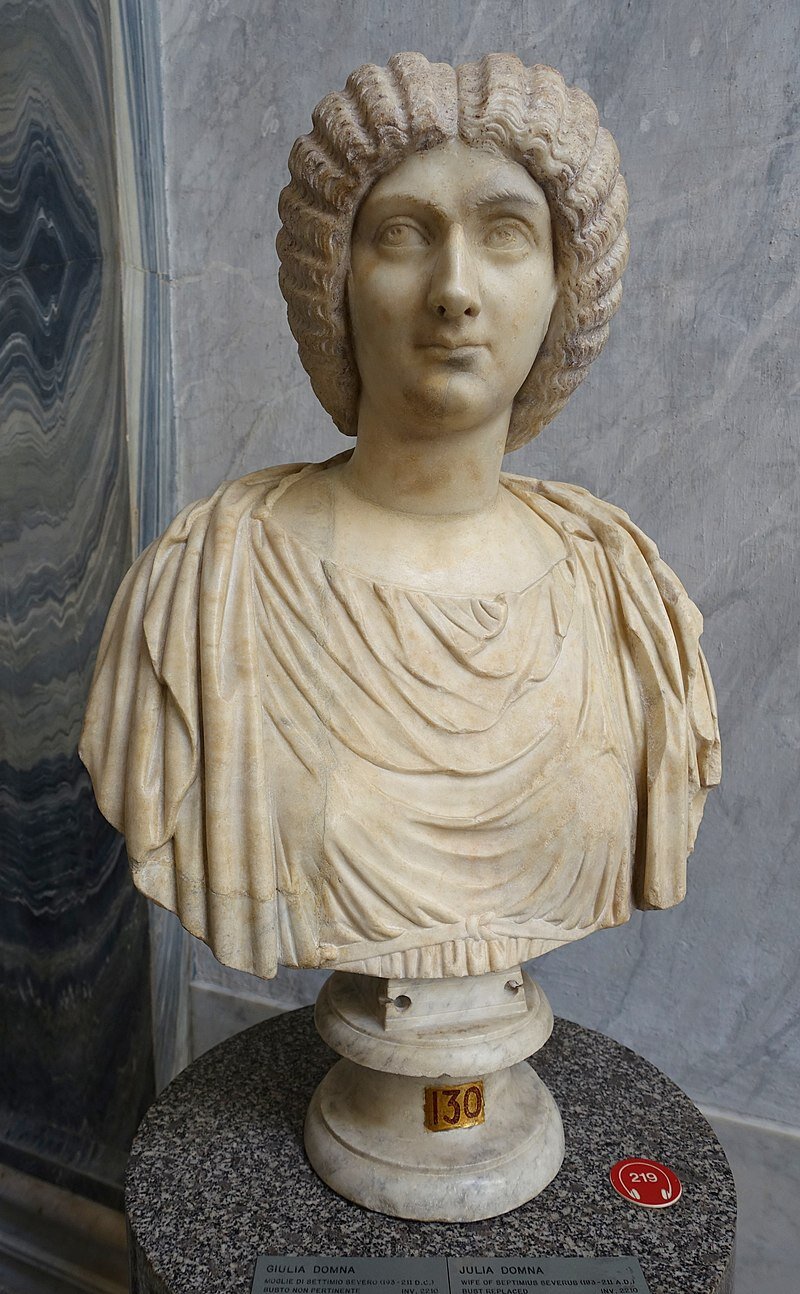
According to ancient sources, the future Roman emperor Lucius Septimius Severus visited Emesa after hearing a prophecy that he would find his future wife in Syria. During his visit, Bassianus introduced Severus to his daughters. His younger daughter, Julia Domna, eventually married Severus and went on to become one of the most influential empresses in Roman history.
Julia Domna and Septimius Severus had two sons, Caracalla and Geta, thereby potentially linking Cleopatra’s bloodline to the Roman imperial family.
Neither son, however, appears to have continued the family line. Geta was murdered by his brother Caracalla in 211 AD and left no known children, while Caracalla himself had no surviving legitimate heirs. If Cleopatra’s bloodline survived into later centuries, it most likely continued through other members of the Emesene dynasty.
Julia Domna’s elder sister, Julia Maesa (c. 165-224 AD), also played a major role in Roman history. Through her daughters, Julia Soaemias and Julia Mamaea, she became the grandmother of two Roman emperors.
Julia Soaemias was the mother of Emperor Elagabalus, who ruled from 218 to 222 AD. Her sister, Julia Mamaea, was the mother of Emperor Severus Alexander, who ruled from 222 to 235 AD. If the Emesene dynasty truly descended from Cleopatra through Cleopatra Selene, then several Roman emperors may have carried the bloodline of Egypt’s last queen.
Another possible descendant of Cleopatra was Zenobia, the famous third-century Queen of Palmyra. Zenobia ruled a powerful empire centered in modern-day Syria and famously challenged Roman authority during the Crisis of the Third Century. Some historians have suggested that Zenobia claimed descent from Cleopatra, either through the Ptolemies or through the royal house of Emesa. Modern historians remain divided over whether this claim was genuine or merely political propaganda designed to legitimize her rule.
Although historians cannot reconstruct every generation with complete certainty, many scholars believe that the royal house of Emesa preserved at least part of Cleopatra’s bloodline for centuries after the fall of Ptolemaic Egypt.
Cleopatra’s Possible Descendants in the Roman Empire
One of the most fascinating aspects of Cleopatra’s family tree is that her bloodline may have continued into the Roman imperial family. However, tracing the exact line of descent from Cleopatra to later Roman rulers is difficult because the genealogical records from the royal house of Emesa are incomplete.
We know that Gaius Julius Fabia Sampsiceramus III Silas, who died around 120 AD, was the son of Gaius Julius Alexio and a member of the royal house of Emesa. Silas had a son, Gaius Julius Longinus Soaemus, by an unnamed wife. Soaemus succeeded his father as Emesene Priest-King and is believed to have continued the dynastic line.
Unfortunately, the generations following Silas are not documented well enough for historians to reconstruct a complete family tree with certainty. Nevertheless, many scholars believe that the line eventually produced Gaius Julius Bassianus, the high priest of the sun god Elagabalus at Emesa.
Bassianus was the father of Julia Domna, who was born in 160 AD and died in 217 AD. According to ancient sources, the future Roman emperor Septimius Severus visited Emesa after hearing a prophecy that he would find his future wife in Syria. During his visit, Bassianus introduced Severus to his daughters. His younger daughter, Julia Domna, eventually married Severus and went on to become one of the most influential empresses in Roman history.
Julia Domna and Septimius Severus had two sons, Caracalla and Geta, thereby linking Cleopatra’s possible descendants to the Roman imperial family.
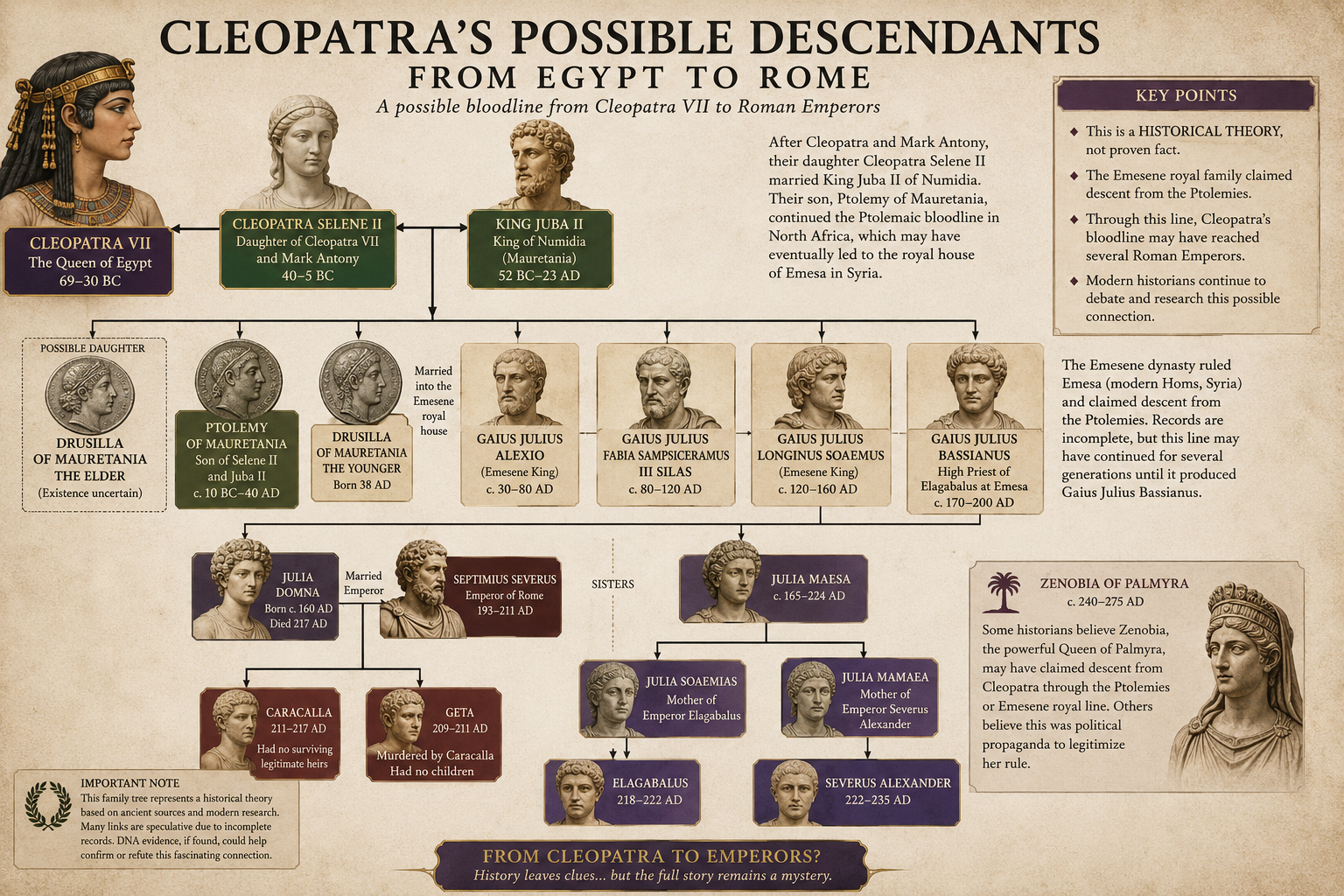
Julia Domna’s elder sister, Julia Maesa (c. 165-224 AD), also played a major role in Roman history. Through her daughters, Julia Soaemias and Julia Mamaea, she became the grandmother of two Roman emperors: Elagabalus and Severus Alexander.
Julia Domna’s elder sister, Julia Maesa (c. 165-224 AD), also played a major role in Roman history. Through her daughters, Julia Soaemias and Julia Mamaea, she became the grandmother of two Roman emperors.
Julia Soaemias was the mother of Emperor Elagabalus, who ruled Rome from 218 to 222 AD. Her sister, Julia Mamaea, was the mother of Emperor Severus Alexander, who ruled from 222 to 235 AD. If the Emesene dynasty truly descended from Cleopatra through Cleopatra Selene, then several Roman emperors may have carried the bloodline of Egypt’s last queen.
Neither of Julia Domna’s sons appears to have continued the family line. Geta was murdered by his brother Caracalla in 211 AD and left no known children, while Caracalla himself had no surviving legitimate heirs. Therefore, if Cleopatra’s bloodline survived into later centuries, it most likely continued through Julia Maesa and her descendants.
Another possible descendant of Cleopatra was Zenobia, the famous third-century Queen of Palmyra. Zenobia ruled a powerful empire centered in modern-day Syria and famously challenged Roman authority during the Crisis of the Third Century. Some historians have suggested that Zenobia claimed descent from Cleopatra, either through the Ptolemies or through the royal house of Emesa. Modern historians remain divided over whether this claim was genuine or simply political propaganda intended to strengthen her legitimacy as ruler. Nevertheless, the possibility that one of history’s greatest warrior queens may have descended from Cleopatra continues to fascinate historians.
The later generations of the Emesene royal family are not fully documented, making it difficult to reconstruct a complete family tree. However, scholars believe that the dynasty continued through a succession of rulers, including:
- Gaius Julius Longinus Soaemus (died c. 160 AD)
- Gaius Julius Sulpicius (died c. 210 AD)
- Uranius Antoninus (reigned 210-235 AD)
- Lucius Julius Aurelius Sulpicius Severus Uranius Antoninus, who reigned from 235 to 254 AD and was originally named Sampsiceramus
At some point during these generations, the family produced Gaius Julius Bassianus, the high priest of Elagabalus at Emesa. Bassianus was the father of Julia Domna, who later married the future Roman emperor Septimius Severus and became one of the most influential empresses in Roman history.
Although historians cannot reconstruct every generation with complete certainty, many scholars believe that Julia Domna belonged to the same royal Emesene dynasty that may ultimately trace its ancestry back to Cleopatra through her daughter, Cleopatra Selene.
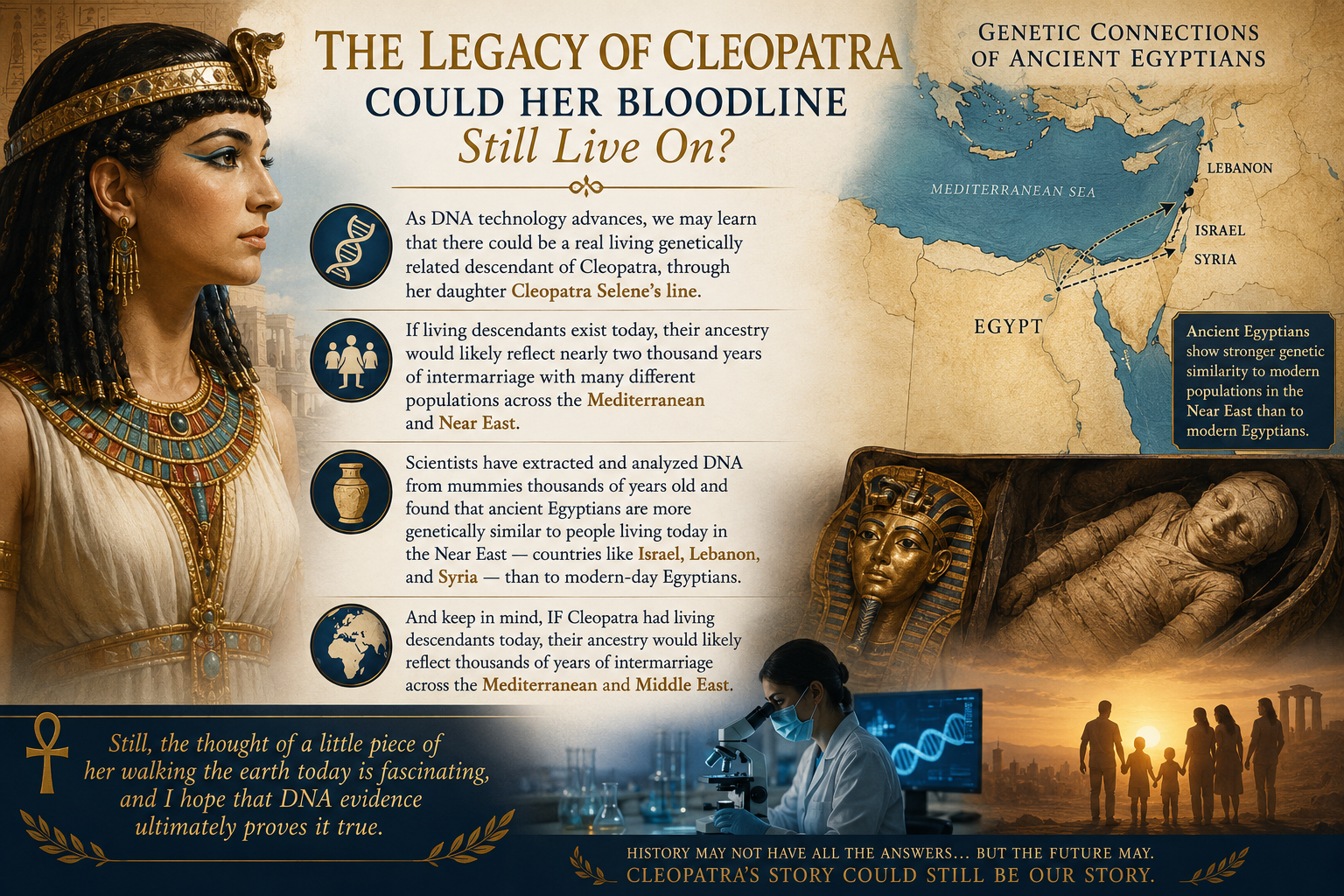
As DNA technology advances, we may learn that there could be a real living genetically related descendant of Cleopatra, through her daughter Cleopatra Selene’s line.
Scientists have extracted and analyzed DNA from mummies thousands of years old and found that ancient Egyptians are more genetically similar to people living today in the Near East — countries like Israel, Lebanon, and Syria — than to modern-day Egyptians.
And keep in mind that IF Cleopatra had living descendants today, their ancestry would likely reflect thousands of years of intermarriage across the Mediterranean and the Middle East.
Still, the thought of a little piece of her walking the earth today is fascinating, and I hope that DNA evidence ultimately proves it true.
